Explore Ethiopia and you will find solace for the soul and inspiration for the senses. Rich ancient history, fascinating ancient traditions, diverse cultural experiences, amazing geological resources, a wealth of paleo-anthropological sites where the oldest hominid ancestor in the world named Lucy has been found, and immersive expeditions are just a few of the factors that this trip combine to make every experience one that you will never forget. A beautiful African country that has enticed and drawn visitors from around the world to its hidden treasures for years, Ethiopia is the land of unique landscapes, ancient culture, friendly people, amazing history, delicious cuisine, exquisite architecture, centuries-old ruins, and great museums. Also Roof of Africa, Origins of coffee, Land of mankind, and a country never colonized. Ethiopia with over 80 ethnic groups and some 200 dialects, each ethnic group preserves its own unique customs and traditions. It’s easy to see why Ethiopia is one of the most amazing vacation destinations. Here is the reason to visit Ethiopia;
1. Breath-taking landscapes
Ethiopia’s landscape varies from deep depressions, the vast expanse of Lake Tana and the arid plains of Omo Valley to the sprawling city of Addis Ababa and the craggy peaks and valleys of the Simien Mountains. You’d be hard-pressed to find a place with more striking contrasts than this one.
2. Rich History
History buffs will be in heaven here, with Ethiopia’s history including everything from hominid ancestors and Stone Age hunter-gatherers to emperors, invaders, castles, palaces and a lot more. You’ll find practically an endless number of outstanding historical sites to explore, and with knowledgeable guides, leave with a real insight into the country’s fascinating history. In Ethiopia’s most ancient city, Axum, the capital of the historic Axumite site, is a wealth of remarkable monolithic obelisks, the three most important being decorated to represent multi-storied buildings, complete with doors and windows.
3. Delicious Food
Ethiopian food is one of the world’s most exciting cuisines. Eaten with friends and family, it’s extremely unique and extraordinarily flavorful. The way that it’s served on a communal platter, is specifically designed for sharing the food, as it isn’t meant to be eaten alone in Ethiopian culture. The most well-known dish is injera, a large, spongy, pancake-like bread on which portions of spicy meats and veggies are served. The injera is actually used not just as a serving dish, but an eating utensil for scooping up the sauces – a messy, but delicious experience. If you’re a vegetarian, you can enjoy dishes like shiro wat. Along with injera, shiro wat, sometimes simply called shiro, is one of the most widely consumed dishes in Ethiopia. It consists of chickpea and broad bean flour, mixed with garlic and onions, and made into a thick, almost paste-like substance – similar to refried beans, but smoother. While non-vegetarian versions of shiro often include quite a bit of butter, the vegan version usually uses olive oil instead.
4. Endemic Wildlife
Africa is renowned for its wildlife, and Ethiopia is home to many of its more unique, lesser-known animal species, like the Gelada baboon, the mountain nyala, the Ethiopian wolf, and the Walia ibex. This is also an exceptional spot for birdwatchers with some 850 bird species, many of which are endemic to this country.
5. Vibrant festivals
In Ethiopia, religion revolves around Orthodox Christianity and Islam, which are the most popular religions. Orthodox Christian festivals are common on many streets of cities in Ethiopia. These festivals are characterized by bonfires of Meskel, beautiful umbrellas of Timkat, and colourful outfits. It is during these festivals that one can experience the culture, traditions, and people of Ethiopia. All these will be done amidst sharing food, drinks, different dance types, and the practice of certain rituals. To experience the diverse cultures thriving in Ethiopia, visit the Omo Valley Tribes. Some of the communities include Hamar and Mursi, who have a culture of adorning their bodies with unique jewellery and art. Their livelihood is based on livestock.
6. Land of origins
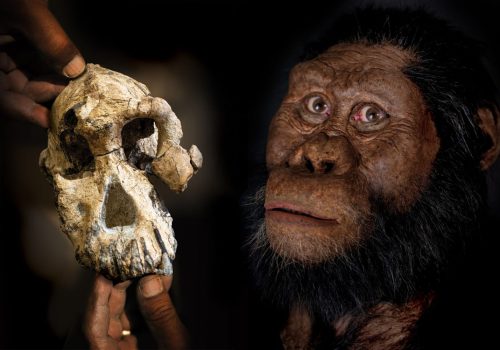
With so many paleoanthropological sites and discoveries, scientists of this field have concluded that Ethiopia is cradle of mankind. American paleoanthropologist Donald C. Johanson and his fellows discovered “Lucy” in Afar region near the Awash River in north-eastern Ethiopia. This partial skeleton of a Hominid (human ancestor) is approximately 3-2 million years old. The Johanson team later names the previously unknown species Australopithecus afarensis. Johanson nicknames the skeleton “Lucy” after the Beatles’ song “Lucy in the Sky with Diamonds.” The jawbone & other parts of a 5.8 million-year-old Hominid were unearthed in 1997 by Ethiopian scientist called Yohannes H.Selassie. The newly discovered Arpipithecus fills the missing link between Hominids & their apelike ancestors.