This 14-day birding tour includes a diverse range of species and almost all of the country’s endemics. Ethiopia is home to 19 endemic and abundant near-endemic bird species. Numerous of these species can be found in the Afro-alpine moorlands, where one can expect to find Spot-breasted Lapwing, Blue-winged Goose, Rouget’s Rail, and Ankober Serin, as well as the only known sub-Saharan breeding populations of Golden Eagle, Red-billed Chough, and Ruddy Shelduck. Additional important bird species are supported by forests and small areas of forest, such the Ruspoli’s Turaco, White-backed Black Tit, Abyssinian Woodpecker, and Abyssinian Catbird. Desirable species like the White-tailed Swallow, Stresemann’s Bushcrow, and Salvadori’s Seedeater are found in the country’s southern Acacia savanna. More exceptional birds, like Rüppell’s Black Chat, Erlanger’s Lark, White-billed Starling, and Wattled Ibis, can be seen in the escarpment north of Addis Ababa.

Tour Itinerary

Expand All +
  • icon
    14 DAYS BIRDING TOUR
    Arrive at Addis Ababa Bole International Airport. Upon arrival, you will be met by our representative and transferred to your reserved hotel. After time to refresh, take a guided city tour of Addis Ababa, Ethiopia’s capital and the third highest capital in the world. You will start the tour with a visit to the National Museum, home to one of the world’s most important paleontological exhibits in the world; ‘Lucy’. Next, you will visit Entoto Mountain, which overlooks the whole of Addis Ababa. Marvel at the panoramic views of the capital amidst the fresh breeze of the eucalyptus forests. Then visit the Holy Trinity Cathedral Church. As the final resting place of much-loved Emperor Haile Selassie, Holy Trinity Cathedral is one of the country’s most sacred places of worship. The city tour will end with an exploration of the colorful Merkato, Africa’s largest open-air market.
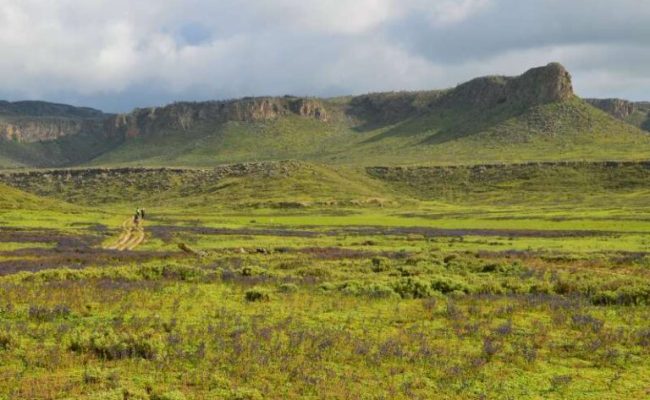
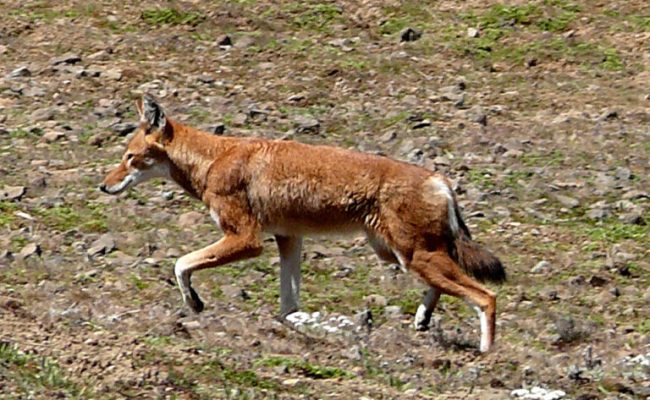
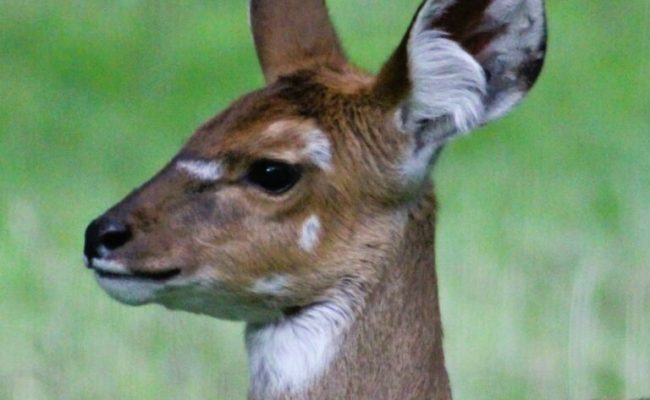
    Make an early start today and you will drive south to the Bale Mountains National Park. Traveling through the rich cultivated land of the Oromo and Arsi Mountains. Bale Mountains National Park is formed of ancient volcanic rocks broken by plugs, peaks, and spectacular landscapes. The park is characterized by dramatic gorges, alpine lakes, ponds, numerous rivers, and streams. Bale is best known for its wildlife, Ethiopian Wolf and Mountain Nyala. Bale is Ethiopia’s top bird-watching hotspot with 14 of Ethiopia’s endemic species being present. Arrive at the park headquarters in Dinsho and will spend the afternoon birding. You will spot some of the endemics Blue-winged Goose, Spot-breasted Lapwing, Abyssinian Longclaw, Wattled Ibis, Abyssinian Cat Bird, Black-headed Siskin, Rouget’s Rail, and Banded Barbet. Other species; Chestnut-naped Francolin, Roosting African Wood, Abyssinian Owl, Abyssinian Slaty Flycatcher, Ethiopian Boubou, Brown-rumped Seedeater, White-backed Black Tit, and Thick-billed Raven. After the visit, you will be transferred to Goba town.
    Depart early and ascend to the Sanetti Plateau which is located at an altitude of 3,800m to 4,377m and an amazing place for Birding and stunning scenery. First, you will pass through forests dominated by juniper and Hagenia, which offer an excellent opportunity to find African Goshawk, Rufous-breasted Sparrowhawk, White-cheeked Turaco, Abyssinian Woodpecker, White-backed Black Tit (Endemic), Abyssinian Catbird (Endemic), African Hill Babbler, and other species. Then you will be driving on Africa’s highest road towards the Senate Plateau. Other bird species that you will search for today include; Chestnut-naped Francolin, Moorland Francolin (Endemic), Abyssinian Longclaw (Endemic), Wattled Crane, Wattled Ibis, African Snipe, Thekla’s Lark, Red-breasted Wheatear, and Moorland Chat. The Sanetti plateau also supports breeding populations of three species not usually associated with tropical Africa: Ruddy Shelduck, Red-billed Chough, and Golden Eagle. This is also the best place to see the Endemic Ethiopian Wolf. Late in the afternoon, you will be transferred back to your Accommodation.
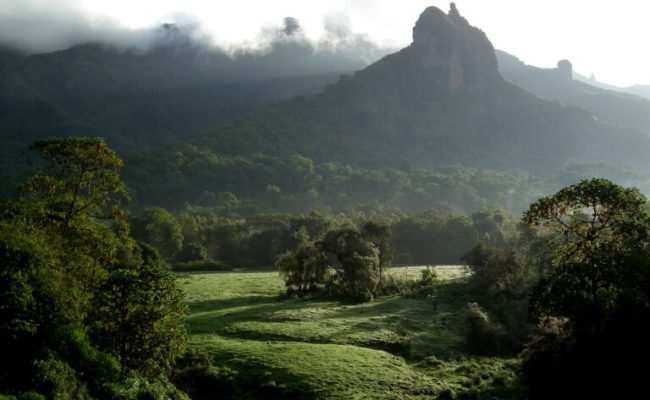
    Leave the Bale Mountains and head south towards Negele through the interesting and dry Genale Valley. Once again, drive via Senate Plateau and before you leave the highlands behind, you will stop at Harenna Forest. This is the largest intact forest block in Ethiopia and Africa’s largest protected Afro-alpine forest. Birds here include Ayres’s Hawk-Eagle, Crowned Eagle, African Olive Pigeon, Tambourine Dove, African Emerald Cuckoo, Abyssinian Woodpecker, Ethiopian Oriole, Red-fronted & Yellow-fronted Tinkerbird, Lesser Honeyguide, Abyssinian Crimsonwing, African Citril, Black-and-white Mannikin, and Yellow-crowned Canary. Then continue to Negele which is considered to be one of Ethiopia’s best hotspots for birding. Along the route, stop at the spot where the road crosses the Genale River, where you will search the endemic Ruspoli’s Turaco. Other Bird species; Brown Snake Eagle, Northern Brownbul, Yellow-breasted Apalis, Grey Tit-Flycatcher, Red-and-yellow Barbet, Upcher’s Warbler, Red-capped Robin-Chat, Golden-breasted, and Violet-backed Starlings. Arrive at Negele late in the afternoon and you will be transferred to your Accommodation.
    Full day in the Negele Plains looking for endemics and dry-land birds. Our main target here is the critically endangered Sidamo Lark and Heuglin’s Bustard. You will be transferred to the open grassland called Liben Plains which is located east of Negele. This and the surrounding area is ideal for species such as Foxy Lark, Somali Short-toed Lark, White-crowned Starling, Shelley’s Rufous Sparrow, Reichenow’s Seedeater, the Ethiopian endemic White-tailed Swallow, African Bare-eyed Thrush, Spotted Palm Thrush, Pale Prinia, and Boran and Rattling Cisticolas. Other ground birds like Temminck’s Courser, White-bellied Bustard, and Black-faced Sandgrouse might also be encountered. You will also find Salvadori’s Seedeater, Foxy Lark, Northern Grosbeak Canary Pectoral- patch Cysticola, Plain Backed pipit, Shelley’s Rufous Sparrow, Somali Courser, and White-crowned Starling. You may see coveys of Coqui Francolin or flush a migratory Corn Crake.
    Early this morning, you will leave Negele and drive towards Yabello. Today’s drive will take you close to the Ethio-Kenya border. On the way stop at the Dawa River area to find the neat-threatened White-winged Collared Dove, Von Der Decken’s Hornbill, Purple Roller, Juba, and Black-capped Social Weaver, Straw-tailed Whydah, Mouse-coloured Penduline Tit, Pygmy Batis, Steel-blue Whydah, Black-cheeked Waxbill, and Black-bellied Sunbird. You will relax and enjoy some good birding here. Proceed towards Yabelllo and on the way, you are likely to find Somali Courser, Vulturine Guineafowl, Red-and-yellow, and Black-throated Barbet, Magpie Starling, Dodson’s Bulbul, Acacia Tit, and other species characteristic of the dry savannahs. After a long but exciting day, you will arrive at the town of Yabelo and check into your Accommodation.
    Early in the morning birding at Yabello Wildlife Sanctuary. This is a protected area and wildlife sanctuary in southern Ethiopia and covers an area of 2,496 sq km and was created to protect Ethiopia’s endemic Swayne’s hartebeest. Species that are found here; Stresemann’s Bushcrow, White-tailed Swallow, D’Arnaud’s Barbet, Eurasian Hobby, Red-NapedBushshrike, Short-tailed Lark, Somali Courser, Somali Fiscal, Speke’s Weaver, Taita Fiscal, Steel-blue Whydah, Straw-tailed whydah, and Purple Grenadier. Then leave Yabello and start driving to Yirgalem town. Along the route, you might see Abyssinia Oriole, Banded barbet, Abyssinia Ground Hornbill, Abyssinian waxbill, Common Bulbul, Grassland Pipit, Silver Cheeked Hornbill, Double tooth barbets, Red-throated Wrynecks, Nubian Woodpecker, African Pygmy Goose, Spotted Creeper, and White-backed Duck. You will arrive late afternoon and transfer to your Accommodation at Yirgalem.
    Morning birding around Yirgalem for birds such as Arrow-Marked Babbler, Africana Cetril, Abyssinian Woodpecker, Abyssinian Long-Claw, Abyssinian Slaty Flycatcher, Augar Buzzard. Then drive to Awassa known for its beautiful rift valley lake. Birds around this area include; Goliath Heron, Marabou and Saddle-billed Storks, Hamerkops, Africa Fish-Eagle, African Pygmy-Goose, Black Crake, and Blue-headed Coucal, Abyssinian Waxbill, Silvery-cheeked Hornbill, Banded and Double-toothed Barbet and White-browed Robin-chat. Then drive up the eastern escarpment of the Rift Valley to the hot springs of Wendo Genet. In a forest patch near Wondo Genet we look for forest birds such as Yellow-fronted Parrot, Black-winged Lovebird, Abyssinian Ground Thrush, Abyssinian Woodpecker, Brown Woodland Warbler, Narina Trogon, and Scaly-throated Honeyguide. Also in this area, you might find the massive Silvery-cheeked Hornbill, Mountain Wagtail, and the beautiful Red-shouldered Cuckooshrike. Finally, you will be transferred to a lodge located next to Lake Langano.
    Full day birding around Lake Langano, Bishangari Area, and Abijatta- Shalla National Park. Today you will find a variety of birds in these three locations. The birds are; Black-winged Lovebird, Banded and Red-fronted Barbets, Little Weaver, and Little Rock Thrush, Blue-breasted Bee-eater, Mocking Cliff Chat, Abyssinian Wheatear, Fan-tailed Raven, and rock hyrax. Walk in the dry acacia woodland for Black-billed Wood Hoopoe, Bearded Woodpecker, Buff-bellied Warbler, Mouse-colored Penduline Tit, White-winged Black Tit, and Rüppell’s Weaver. Later on, we may visit the grounds of another hotel for roosting Slender-tailed Nightjar and Verreaux’s and Greyish Eagle-Owls, as well as Clapperton’s Francolin. Visit a forest around Bishangari on the southeastern shore of the lake. This natural forest is home to a number of endemics and special birds, including Scaly Francolin, Lemon Dove, Silvery-cheeked Hornbill, Yellow-fronted Parrot, White-cheeked Turaco, Abyssinian Woodpecker, and Ethiopian Oriole.
    This morning you will drive east to Awash National Park, which is famed for its outstanding Birdlife and considered to be one of the best sites for birding. Around 460 species of bird have been recorded and this is a lovely place to do evening and morning bird watching. Arrive and you will be transferred to your accommodation. Then after a break, you will start exploring the Ilala Sala Plains and the Awash waterfall area for Birds such as Grey Hornbill, Somali Fiscal, Helmeted Guineafowl, Blue-Napped Mousebird, Kori Bustard, Secretary Bird, Yellow-necked Francolin, Drongo, Red-winged Lark, Striped Kingfishers, Robins, Tawny Eagle, Long-crested Eagle, Yellow-billed Kite and Dark Chanting Goshawk, African Collared Dove, Somali Bulbul, Black Scrub Robin, Somali Fiscal, Nile Valley Sunbird, Carmine Bee-eater, Gillett’s Lark and more. The Ilala Sala Plain is also home to charismatic mammals including Beisa Oryx, the beautiful Soemmering’s Gazelle, the graceful Lesser Kudu, Warthog, and diminutive Salt’s Dik-Dik. Finally, transfer back to your Accommodation.
    Early morning, drive towards Aledeghi Wildlife Reserve, northeast of Awash Park. You will explore the Ali Dege Plains, where you will have some fantastic bird and mammal sightings. On the plains you may come across Arabian and Kori Bustards, Somali Ostrich, Secretary bird, and Chestnut-bellied Sandgrouse. Also look out for raptors; African Swallow-tailed Kite, Egyptian Vulture, Grasshopper, and Long-legged Buzzards. Larger mammals here include Grevy’s Zebra, Beisa Oryx, Soemmerring’s Gazelle, and African Golden Wolf. You will also search for Short-toed Snake Eagle, Dark Chanting Goshawk, Common and Lesser Kestrel, Black-headed Lapwing, Chestnut-bellied, Yellow-throated, Lichtenstein’s Sandgrouse, Crested Francolin, Namaqua Dove, Red-throated and Little Bee-eater, Blue-naped Mousebird, White-headed Buffalo Weaver, Rüppell’s, and Superb Starling, Northern Wheatear, Tawny Pipit, Menetries’s Warbler, Red-winged Lark, Chestnut-backed Sparrow-Lark, African Silverbill. Finally, you will be transferred to Doho Lodge and time at Doho Lake, and relax around the hot springs.
    Leave Awash Park and start a scenic drive, through some of Ethiopia’s most remote country, Debre Berhan. En route, stop at the hot and dry Melka Gebdu track, to find another scarce endemic, Yellow-throated Seedeater. This area is also excellent for Yellow-breasted Barbet, Bruce’s Green Pigeon, Bare-faced Go-away-bird, and a number of sunbirds. Red-billed Pytilia, a rare and tricky endemic has also been recorded here. Proceed to Debre Berhan town via the historical town of Ankober. Upon arrival, you will be transferred to your Accommodation and lunch. This afternoon, you will have an excursion to Gemasa Gedel, an excellent site for the famous Ankober Serin, a rare and elusive Ethiopian endemic. Other possible species to be found here include Ethiopian Siskin, Streaky Seedeater, Moorland Chat, White-billed Starling, Bearded Vulture, Verreaux’s Eagle, Rufous-breasted Sparrowhawk, Peregrine Falcon, the seldom recorded Somali Starling, and Long-billed Pipit. Late in the afternoon, transfer back to Debre Berhan.
    In the morning, drive towards the Jemma River Valley. Here we have fast-flowing rivers inhabited by various species and the area is known as the small paradise for bird watchers with a stunning panorama. The Jemma River is one of the main tributaries of the great Blue Nile River and it cuts a 700m (2,300ft) deep gorge through the landscape. The habitat in the gorge is dominated by Acacia woodland and the steep sides are the best spot for some Ethiopian endemic birds. You will search here for Rüppell’s Vulture, Verreaux’s Eagle, African Hawk-Eagle, Augur Buzzard, Lanner, and Peregrine Falcons, Erckel’s Francolin, Nyanza Swift, Hemprich’s Hornbill, Red-rumped Swallow, Abyssinian Wheatear, the endemic and localized Rüppell’s Black Chat, endemic White-winged Cliff Chat and its more familiar cousin, Mocking Cliff Chat, endemic White-billed Starling, elusive Yellow-rumped Seedeater and Cinnamon-breasted Bunting. After picnic lunch at the river and birding the surrounding woodlands, you will transfer to the town of Debre Libanos for an overnight stay.
    In the morning, Birding around Debre Libanos and looking for the impressive Bearded and Rüppell’s Vulture, as well as the near-endemic White-collared Pigeon and Abyssinian Slaty Flycatcher. You will also likely find Rüppell’s Black Chat, Speckled Mousebird, White-winged Cliff Chat, Tacazze Sunbird, Swainson’s Sparrow, Ethiopian Boubou, White-billed Starling, Ortolan Bunting, and Singing Cisticola. Then start driving back to Addis Ababa. You will pass through the famed Sululta Plains, which are a brilliant place to find the beautiful Spot-breasted Lapwing, the taxonomically strange Blue-winged Goose, and other endemics. Arrive at Addis Ababa and you will be transferred to a hotel for a few hours to prepare your luggage and get ready for your return flight back home. In the evening, before your international flight, farewell dinner at Ethiopian Cultural Restaurant. Finally, your driver will take you to Bole International Airport and take your flight back home. Your Ethiopian Adventure ends here.

Package Destination Map

Package Features List

Include Features

  • All meals included
  • International Air, unless expressly paid for

Exclude Features

  • All meals included
  • International Air, unless expressly paid for
  • Personal expenses
  • Services not specifically stated in the itinerary

Additional Info

Customer Review & Rating

Good

0 based on 0 reviews

Overall 0.0
Transport 0.0
Food 0.0
Hospitality 0.0
Destination 0.0
  • No reviews yet. Be the first to write one!
Starting From
$2,800.00 /per person
  • Mony Back Guarentee.
  • Your Safety is Our Top Priority.
Bonus Activity Included – Limited Time!

Customize

Travel Package!