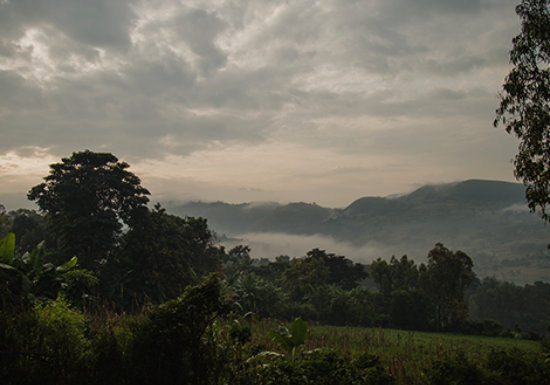
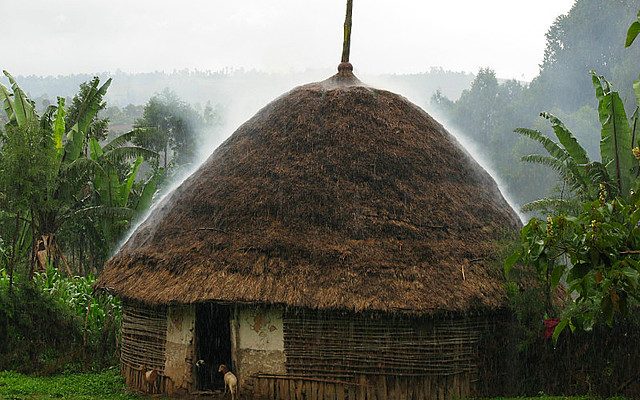
Ethiopia is a stunning country for travelers to visit any time of the year. However, planning your trip according to the season will immensely enhance your experience. It would help to prepare for the high altitude and variable Ethiopia weather conditions. We highly recommend you abide by the following tips to enjoy an unforgettable journey to Ethiopia.
Dry Season (October – February): The respective season is an excellent time for travelers to visit Ethiopia. During this time of the year, the weather is mild and dry, perfect for sightseeing, hiking and wildlife-watching activities. The temperature generally ranges from around 23/25 °C, depending on the location. Besides, the season is the peak time tourists visit the country. So, expect more crowds at popular attractions and higher prices for food and accommodation.
Wet Season (June – September): Despite being characterized by heavy rain, tourists can travel during this time. The rain usually lasts for a short period, giving you the time frame to explore destinations during the breaks in between. Additionally, the waterfalls and rivers are most impressive, with lush and green vegetation surrounding many regions of the country. However, you will not be able to access hiking trails due to occasional flooding, but you will have an excellent opportunity for photography and birdwatching.
Shoulder Seasons (March-May and September – November): The weather during this time of the year is usually pleasant, with fewer crowds. The months between September to November are ideal for wildlife watching. At the same time, March to May is an excellent time for wildflower spotting and bird watching. Besides, the temperature varies during these seasons in several regions of Ethiopia. So, it would help if you prepared for both cool and warm weather.
Altitude Considerations: Travelers must remember that temperature and weather in the high-altitude region vary greatly. The lowland region of Ethiopia can be hot and dry, while the highlands are generally rainy and relaxed, even during the dry season. So, check the weather forecast and pack accordingly for your specific location.