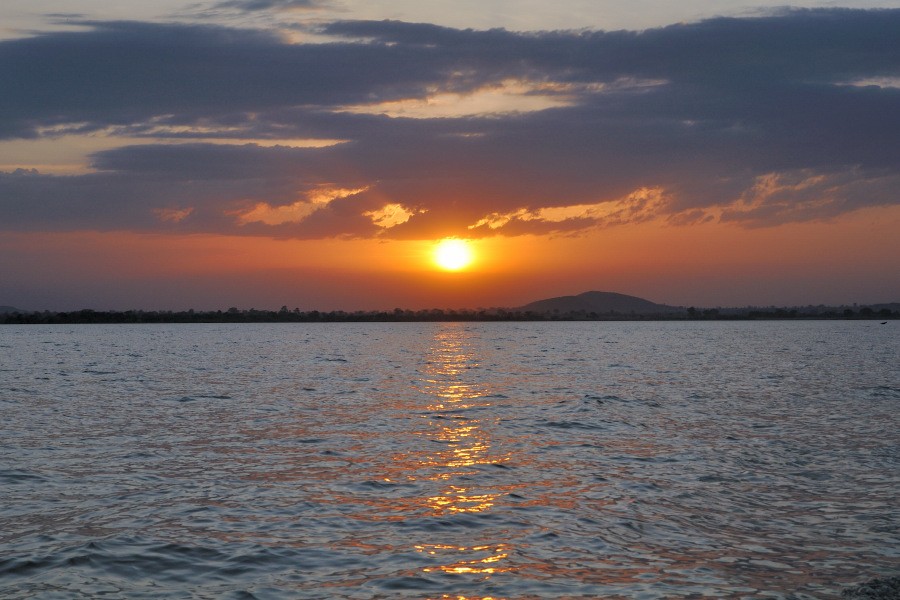
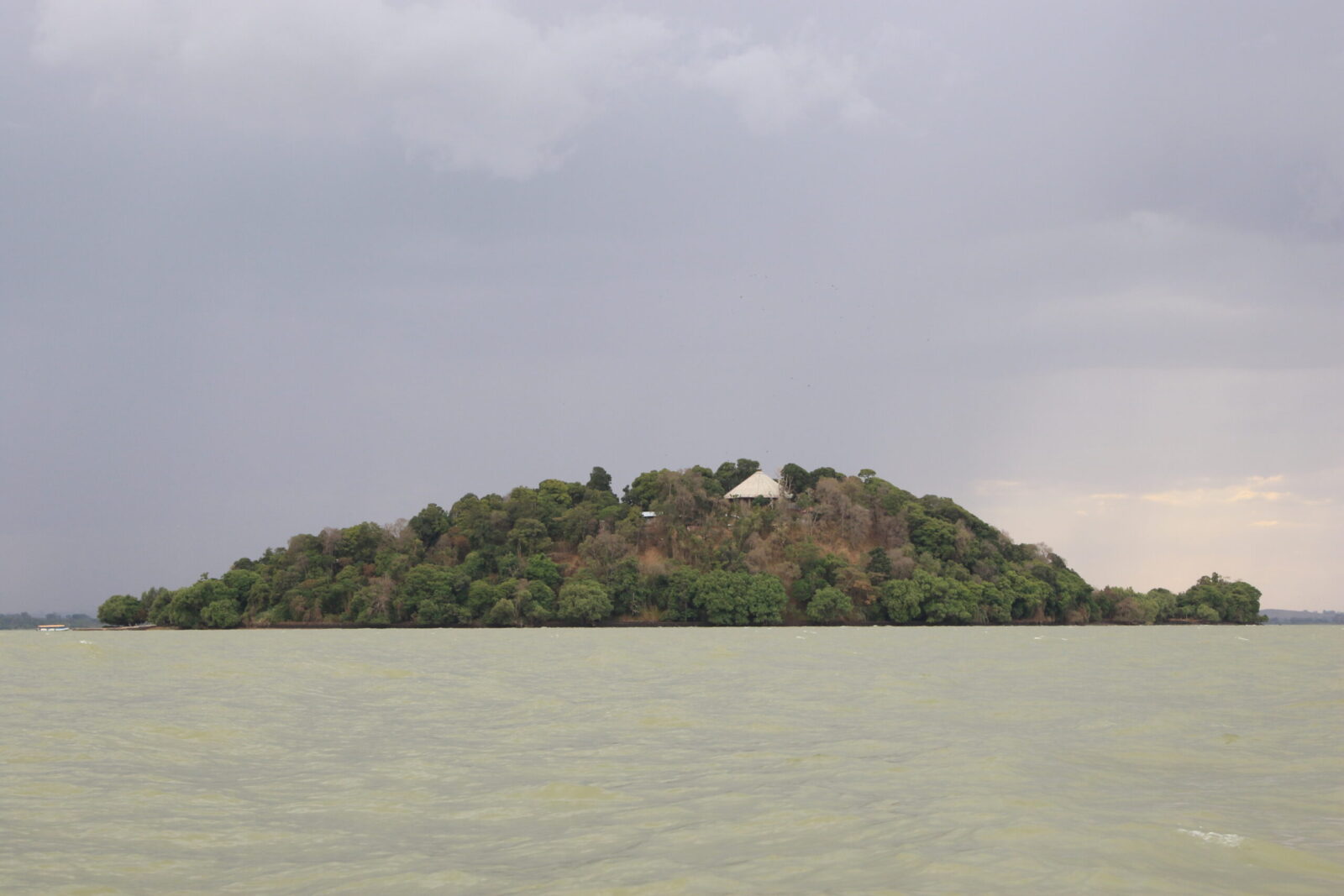
Lake Tana, Ethiopia’s largest, is home to 37 islands. Three of these islands have 45 monasteries and churches from various ages. Tana was designated a “global biosphere reserve” by the United Nations Educational, Scientific, and Cultural Organization (UNESCO) in 2015 due to its potential biodiversity. Besides to its natural value and beauty, its mystery, historical and religious archives make it one of the main tourist spots. Tana, which is have been formed by a volcanic eruption about 25 million years ago. The lake has a surface area of 3600 square kilometres and is approximately 80 km long from north to south and 60 km wide from east to west. Average Its width is 3600 square kilometres and its depth is 9 meters. Tana, which is classified as a mountain lake due to its origin and height of 1830 meters above sea level, is a heart-shaped lake that is wider in the north and narrows in the south.
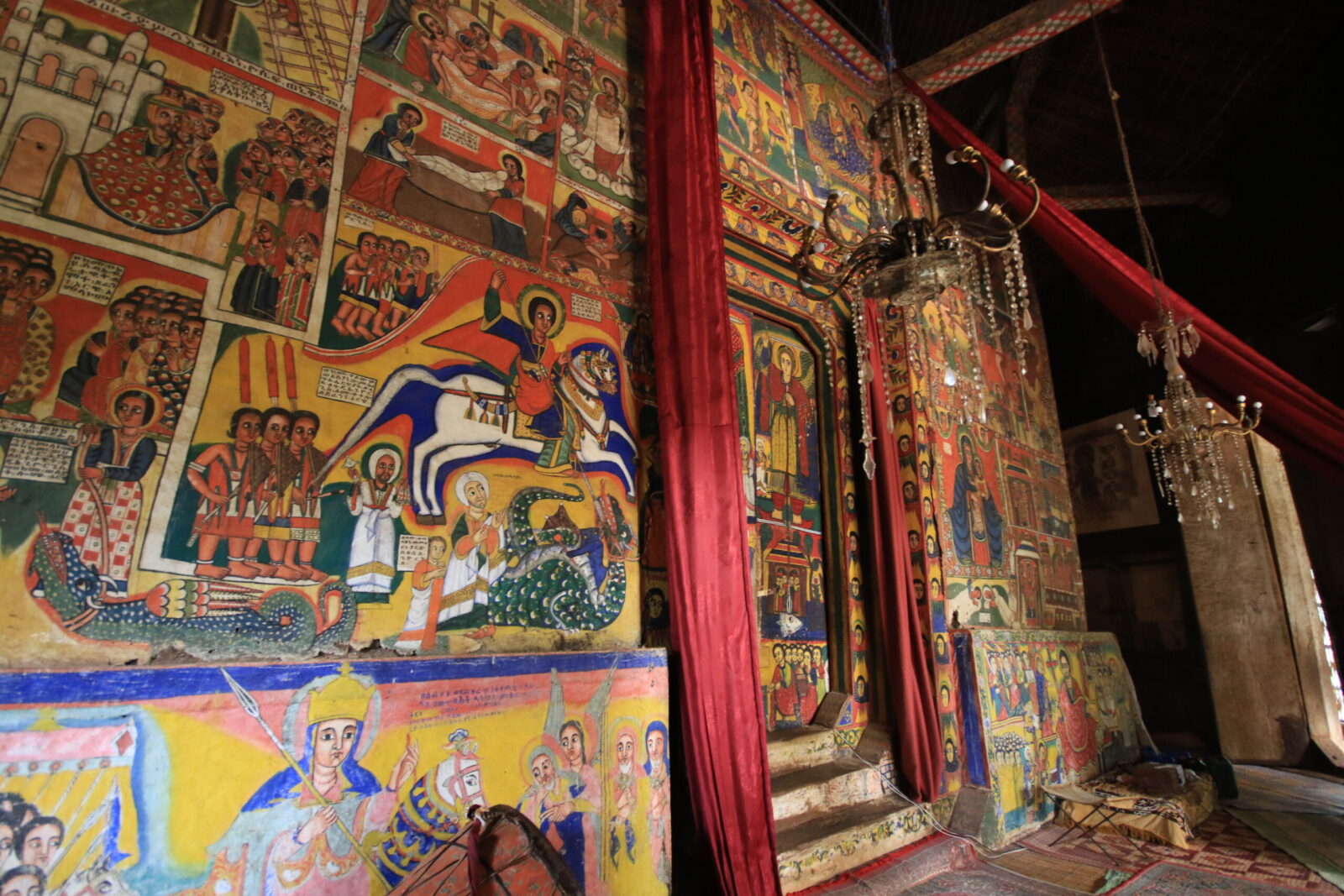
It was recognized as the copper-painted lake, by the 5th century BC tragedian Athenian, Aeschylus. Lake Tana, is referred to as the origin of Ethiopian history. Some scholars and religious leaders refer to it as the foundation of Cush civilization’s, the land of Jethro, the place of Torah sacrifice: the resting place of the Ark of Zion and the Virgin Mary, the site of hidden temples, and the choice of St. Yared as a holy lake chosen by spiritualists to fight and deliver God’s prayers. It is home to a plenty of birdlife, but the most notable feature of this lake is the abundance of churches and monasteries along its shores and on its islands. The monasteries were built by the kings of Ethiopia in the medieval period, which later became the most important religious and political hub of the country. Politically, the Lake Tana Island monasteries had played a significant role when the country experienced internal and external crises. These islands shelter some 21 monasteries surviving remnants of a very old meditative tradition. Most of the monasteries with some exceptions which dated back even to the 14th century AD were established in the medieval period by the monks locally referred as the Seven Stars. The monasteries also house myriads of treasures, beautiful mural paintings, icons, parchment manuscripts, scrolls and emperors’ assets.
Copyright 2026 Gish Abay Ethiopia Tours | All Right Reserved.
Accepted Payment Methods :
Gish Abay Ethiopia Tours
Typically replies within minutes
Hello, How can we assist you?
WhatsApp Us
Online | Privacy policy
WhatsApp us